

The Underrated Art of Picking Your Cruise Ship Deck: Outsmarting Seasickness with a Simple Cabin Choice
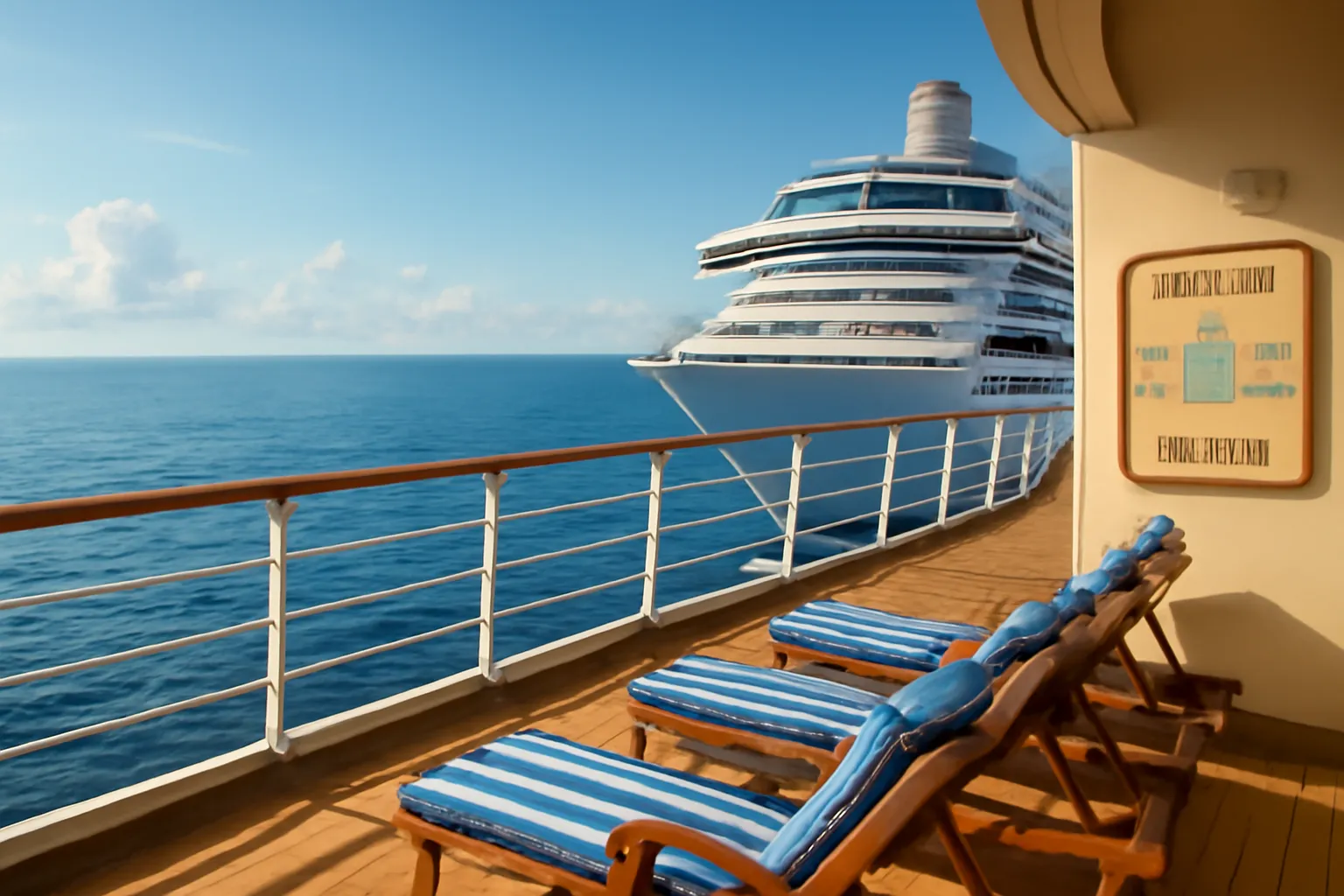
I’ll never forget my first cruise: picture me, a naive seafarer, excitedly unpacking on the top deck when—bam—the ship rocked, my stomach churned, and I spent hours wishing I’d done my homework on cabin placement. If you want a smoother ride and less seasickness, trust me: where you lay your head at night is more important than you think.
Deck Plans Aren’t Just for Crew Members: Decode Yours Like a Pro
If you’ve ever scrolled through cruise websites, you’ve probably seen those colorful deck plans. At first glance, they look like something only the crew or ship engineers would need. But trust me, learning to read deck plans is your secret weapon for finding the best cabin locations—especially if you want to outsmart seasickness.
Almost every cruise line posts detailed deck maps online before you book. I always make it a point to study these maps, not just rely on the fancy deck names. Some ships label decks with enticing themes—“Sunrise Deck” or “Harmony Deck”—but don’t be fooled. The real gold is in the map itself, showing exactly where your cabin sits in relation to the rest of the ship.
Here’s the trick: Mid-ship cabins—those located in the middle of the ship, both lengthwise and vertically—are the sweet spot. According to cruise expert Emma Le Teace,
“Your cabin’s position determines how much you feel the motion of the ocean.”
And she’s absolutely right. The mid-ship section is where you’ll feel the least movement. Think of it as the ship’s balancing point. If you’re prone to seasickness, this is where you want to be. The further forward (towards the bow) or aft (towards the back) you go, the more you’ll notice the ship’s sway—especially in rough seas.
- Mid-ship cabins (especially on lower decks) = minimal motion
- Cabins far forward or aft = more movement, more risk of queasiness
- Public spaces like restaurants and lounges mid-ship = less bouncy
Another tip: check the proximity to stairs and elevators. If you’re feeling queasy, the last thing you want is a long trek down endless hallways. Deck plans show these details, so you can pick a cabin that’s both stable and convenient.
But there’s a wild card—noise. Once, I picked a room directly above the theater. It seemed perfect on the map, but I didn’t realize I’d be serenaded by a late-night dance party right under my bed! Deck plans can also show you which areas are high-traffic or near public venues, so you can balance peace and stability.
Keep in mind, smaller ships or expedition cruises will feel movement more, no matter how clever you are with maps. Still, using deck plans to find the best cabin location—ideally mid-ship and on a lower deck—gives you the best shot at a smooth, comfortable voyage.
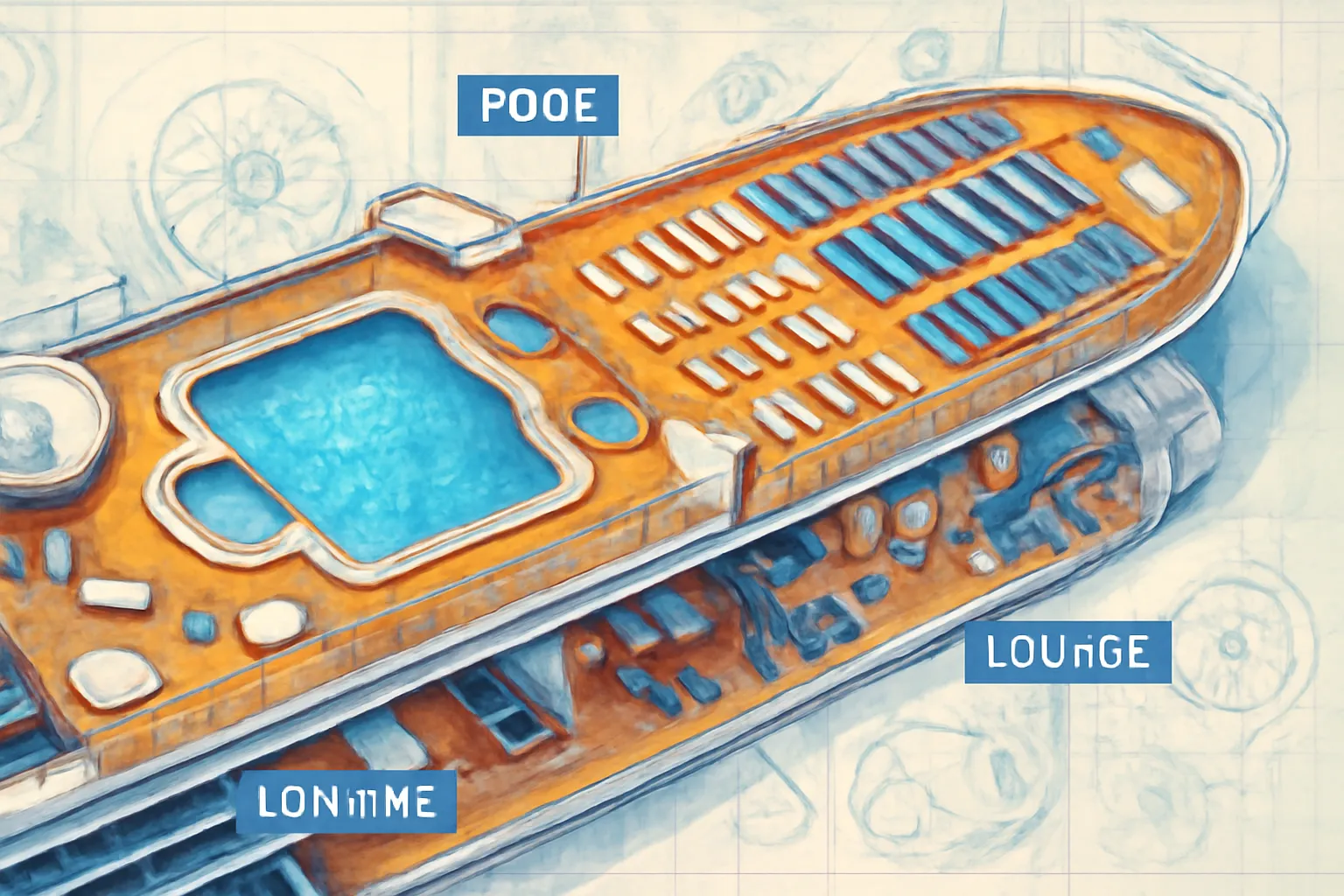
The Mid-Ship Mythbusters: Lower Decks, Center of Gravity, and Finding Your Sea Legs
Let’s get real about seasickness: where you sleep on a cruise ship can make or break your trip. I’ve learned the hard way that the mid-ship cabins and lower deck cabins are your secret weapons for a stable cruise experience. If you’re prone to queasiness, this is the section you’ll want to bookmark.
Why Mid-Ship and Lower Decks Matter
Think of a cruise ship as a giant playground see-saw. The ends—the bow and stern—move up and down the most, just like the ends of a see-saw. The middle, though? That’s where the ride is smoothest. That’s why mid-ship cabins offer the least rolling motion. Combine that with a spot on the lower decks, and you’re as close as possible to the ship’s center of gravity. This is the ship’s “anchor”—the point around which everything balances and sways the least.
- Mid-ship cabins: Least motion, best for sensitive stomachs.
- Lower deck cabins: Closest to the waterline and center of gravity—think of them as the ship’s foundation.
- High decks: Gorgeous views, but you’ll feel every wave. Your breakfast might not appreciate the extra sway.
Stabilizers vs. Location: The Real Stability Secret
Modern cruise ships come with stabilizers—fancy fins that help reduce side-to-side rolling. But here’s the truth: even the best stabilizers can’t erase the difference your cabin location makes. If you’re up high or at the ship’s ends, you’ll still feel more motion than in a stable cruise cabin mid-ship and low down. As Alyssa Padgett says:
Mid-ship, lower deck cabins should always be your go-to if you want the steadiest ride.
Personal Experience: The Inside Cabin Advantage
Here’s some real talk: My best night’s sleep at sea was in a windowless inside cabin, smack dab in the middle of the ship, far from the bow and stern. Not only did I barely feel the ship move, but the lack of windows also meant fewer visual cues to trigger motion sickness. (Heads up: inside cabins can feel a bit claustrophobic to some, but for me, the trade-off was worth it.)
Quick Tips for Outsmarting Seasickness
- Pick mid-ship cabins on the lower decks for maximum stability.
- Avoid cabins at the very front (bow) or back (stern) and on the highest decks.
- Remember: the closer to the waterline and the ship’s middle, the less you’ll sway.
In short, when it comes to seasickness, location trumps technology every time. Think balance, think center, and you’ll be well on your way to finding your sea legs.

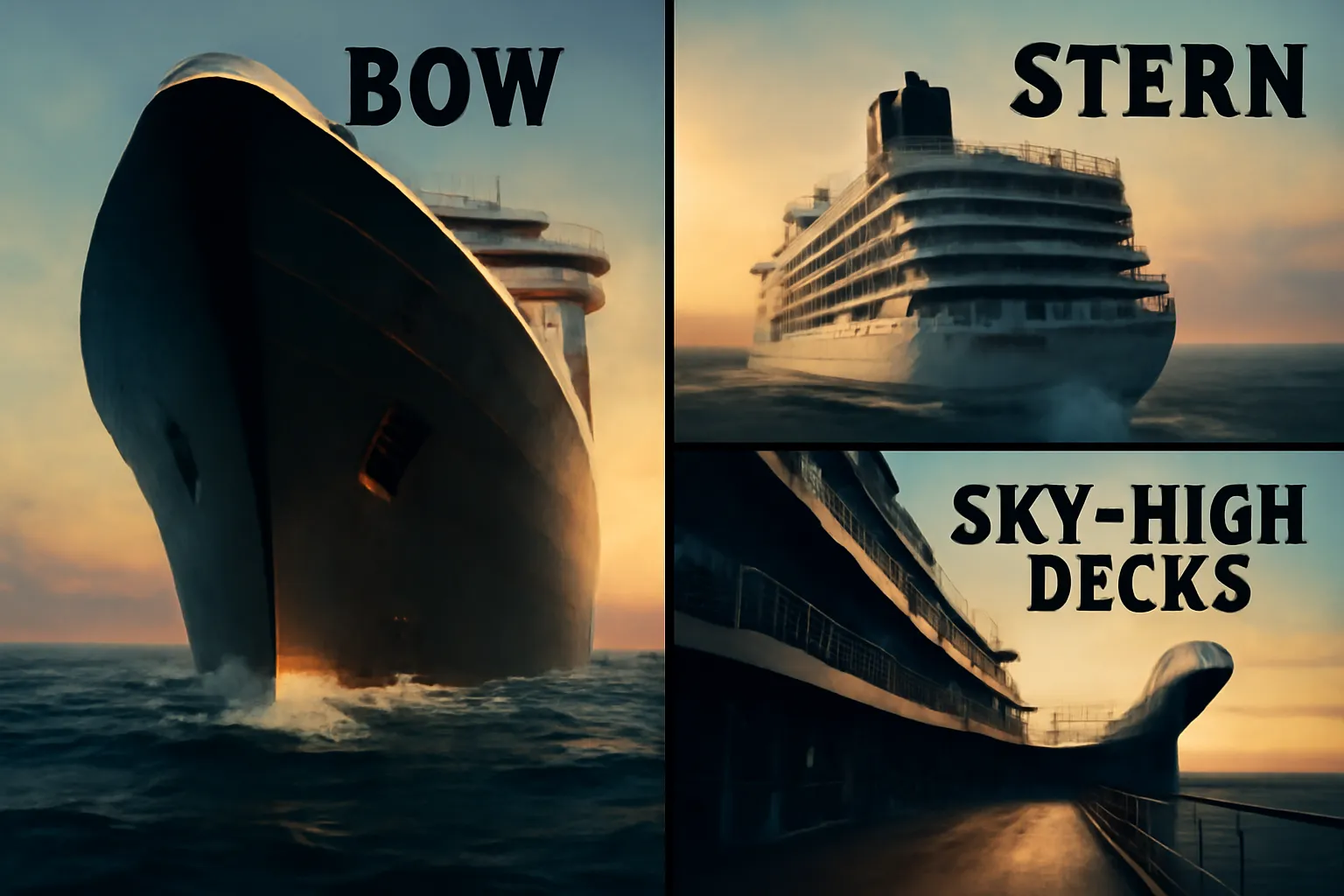
Rooms to Avoid: The Perils of Bow, Stern, and Sky-High Decks
When I first started cruising, I had no idea how much my cabin location could affect my comfort—especially when it came to seasickness. Over the years, I’ve learned that there are certain rooms to avoid if you want to outsmart cruise ship motion and keep your stomach happy.
Why the Bow and Stern Are the Worst for Motion
Let’s start with the basics: the front (bow) and rear (stern) of the ship experience the most movement. Imagine a see-saw in a storm—when the ship hits a wave, the ends rise and fall dramatically, while the middle stays relatively stable. If you’re prone to seasickness, you’ll want to avoid forward cabins and those at the stern. I’ve seen many people regret booking these spots, especially during rough sea crossings.
The Trouble with High Decks
Another important factor is deck height. The higher your cabin is above the waterline, the more you’ll feel the rocking and rolling. As cruise expert Gary Bembridge says:
The higher and further out you are, the worse you feel the motion.
It’s tempting to book a room with a sweeping view, but if it’s on a high deck, you’ll notice every lurch. On my last cruise, I met a fellow passenger who had splurged on the fanciest penthouse suite on the top deck. She ended up joining me in the ship’s medical bay, both of us seeking seasickness remedies. Lesson learned: avoid high decks if you’re sensitive to motion.
Balcony and Window Cabins: A Double-Edged Sword
Balcony and window cabins are a real treat for the view and fresh air, but placement matters. If your balcony is high up or at the bow or stern, you’ll feel the ship’s motion even more. In fact, balconies on lower, mid-ship decks are rare but ideal—they offer stability and a breath of fresh air without the extra sway.
Engine Noise and Vibration at the Stern
Rooms at the stern come with another hidden risk: engine noise and vibration. Not only does this add to your discomfort, but the vibrations can actually make the sensation of movement worse. I’ve learned to avoid these rooms, no matter how tempting the view might be.
- Rooms to avoid: Bow (forward cabins), stern (rear cabins), and high decks
- Why: Maximum cruise ship motion, more rocking, engine noise, and vibration
- Tip: Ask yourself—would you rather have a view of the ocean, or a view of your breakfast coming back up?
How to Prevent Seasickness: Go Beyond the Location Game
When it comes to how to prevent seasickness on a cruise, picking the right cabin location is only the beginning. Over the years, I’ve learned that simple habits and a few tried-and-true seasickness prevention tips can make all the difference between a queasy trip and smooth sailing. Here’s what works for me—and for many seasoned cruisers.
Eat Light and Choose Your Snacks Wisely
Eating heavy, greasy meals can make motion sickness worse. I always stick to bland foods, especially on days when the sea is choppy. Saltines, toast, and plain rice are easy on the stomach. One old sailor’s trick I swear by: green apples. They’re not just a myth—crunching on a tart apple really does help settle a rolling stomach. And don’t forget ginger. Whether it’s ginger tea, ginger ale, or my personal favorite—ginger candies—I keep some handy at all times. As Dr. Phyllis Kozarsky puts it:
Ginger really works! I always pack ginger chews for guests worried about motion.
Consider Seasickness Medication—But Know the Side Effects
There’s a wide range of seasickness medication out there, from over-the-counter pills like Bonine and Dramamine to prescription patches. These can be a lifesaver, but it’s important to check the side effects before you sail. Some people get drowsy or experience dry mouth. I recommend trying any new medication at home first, so you know how your body reacts. And if you’re ever unsure, the ship’s medical staff are always happy to recommend the best motion sickness remedies for your situation.
Get Fresh Air and Move Around
When you start to feel queasy, don’t lock yourself in your cabin. I’ve found that stepping outside—especially mid-ship and on a lower deck—helps your senses reorient. The fresh air and steady horizon can do wonders. Even a short walk outdoors can help your body adjust to the motion.
Hydrate, Avoid Alcohol, and Rest
Staying hydrated is one of the simplest seasickness prevention tips—but it’s often overlooked. Drink plenty of water and avoid alcohol, which can dehydrate you and make symptoms worse. I also make sure to get enough sleep, since fatigue can throw off your balance and make you more prone to motion sickness.
- Eat light: Bland foods, green apples, and ginger can ease a rolling stomach.
- Try seasickness meds: Patches and pills help, but check side effects first.
- Get fresh air: Step outside mid-ship, lower deck when you feel queasy.
- Hydrate and rest: Drink water, avoid alcohol, and get plenty of sleep.
- Move around: Walking outdoors often helps your senses reorient.
- My go-to trick: Keep ginger candies stashed in every pocket.
The Destination Factor: Where You’re Sailing Matters (Sometimes More Than Where You Sleep)
When it comes to outsmarting seasickness on a cruise, most people obsess over picking the “perfect” cabin location. But here’s the truth I’ve learned the hard way: you must consider your cruise destination just as much—if not more—than where your cabin sits on the ship. The route you sail can have a bigger impact on your comfort than any mid-ship, low-deck strategy ever could.
Let’s break it down. Some destinations are blessed with naturally calm waters. Take Alaska’s Inside Passage or the Mediterranean—these routes are often protected from open ocean swells, making them ideal for anyone worried about cruise ship motion. On these itineraries, you can get away with a little more risk: a bow or stern cabin, or even a higher deck, might not spell disaster for your stomach. I’ve enjoyed balcony cabins at the very front of the ship in the Greek Isles without a hint of queasiness.
But then there are the rough seas destinations—the ones that test even the most seasoned cruisers. Antarctica, trans-Atlantic crossings, and certain Pacific routes are notorious for unpredictable, sometimes wild, conditions. No matter how strategic your cabin choice, the open ocean can toss a ship around enough to make anyone green. I’ll never forget my “unbeatable” mid-ship, lower-deck cabin on a December Atlantic crossing. I thought I’d outsmarted seasickness, but a fierce winter storm proved otherwise. The ship rolled and pitched for days, and my best-laid plans went right out the porthole.
As Steward Tony Cruz once told me,
“The seas have a mind of their own; destination can trump any cabin choice.”
That advice rings true every time I book a new cruise. Weather conditions can change everything, so it pays to do your homework. Before you fall for a tempting cabin deal, check the seasonal sea conditions and typical weather patterns for your route. Even on “calm” itineraries, storms or unusual winds can stir things up.
- Protected/inside routes (like Alaska’s Inside Passage) = generally calmer, more forgiving for cabin selection.
- Open ocean expeditions (like Antarctica or Atlantic crossings) = higher risk, so err on the side of caution with your cabin choice.
- Always consider your cruise destination first—then pick your deck and cabin location accordingly.
On gentle waters, you might roll the dice with a forward or aft cabin and be just fine. But remember: it’s always a gamble, and the seas don’t care where you sleep. When in doubt, play it safe—especially if your itinerary is known for rough seas.

Public Spaces Mid-Ship: Your Secret (and Social) Sanctuary when Seas Hit Hard
If you’ve ever found yourself clutching the rail and praying for calm seas, you’re not alone. One of the best-kept secrets among seasoned cruisers and crew is the strategic use of public areas midship—especially on the lower decks—when the ship starts to rock and roll. Let’s dive into why these spaces are your best bet for comfort, camaraderie, and even a little comic relief during rough waters.
Why Mid-Ship Public Spaces Are a Lifesaver
First, a bit of cruise ship science: the cruise ship motion is felt least at the center (mid-ship) and on lower decks. That’s because the ship pivots around this point, so there’s less up-and-down or side-to-side movement. When you check the deck plans and public areas before your cruise, make a mental note of lounges, restaurants, and even libraries located mid-ship. These are your sanctuaries when the seas get choppy.
- Head for Lounges and Restaurants Mid-Ship: When the waves pick up, I always make my way to a mid-ship lounge or dining room on a lower deck. These spots are naturally more stable and often less crowded during rough patches.
- Outdoor Decks Mid-Ship: If your cabin feels too stuffy or you need fresh air, step outside—but stick to the mid-ship outdoor decks. You’ll feel less motion and can enjoy a steady walk or just breathe in the sea air.
Insider Tips from Crew and Experienced Travelers
It’s not just passengers who seek out these calm zones. As Cruise Director Rachel Glover puts it:
“In rough water, we always retreat to Deck 5, mid-ship; it’s where the crew takes breaks, too.”
Staff know the ship’s quirks better than anyone, so don’t hesitate to ask them where to ride out the roughest waves. They’ll often point you to the same mid-ship havens they use themselves.
Social Perks: Stability and New Friends
Lounging mid-ship isn’t just strategic—it’s social. You’ll find other motion-sensitive travelers swapping stories, sharing ginger candies, and trading tips. Don’t be shy; everyone’s looking for stability, and a little humor goes a long way. Complaining about the waves is practically a universal icebreaker. I’ve made some of my best cruise friends while bonding over the shared quest for a steady seat!
- Meet fellow travelers: Swap seasickness remedies and travel hacks.
- Enjoy the calm: Take advantage of ship stabilization features in these areas.
- Ask the crew: Staff can advise on the calmest public areas midship.
Next time the ocean gets feisty, remember: the heart of the ship is your secret—and social—sanctuary.
Don’t Sweat Perfection: Sometimes, Seasickness Ultimately Wins (But Here’s What to Do Next)
Even after all the research and careful planning—choosing the best deck, picking a midship cabin, and arming yourself with motion sickness remedies—sometimes, the ocean just has other plans. I’ve been there myself, and I can assure you: if you find yourself feeling queasy despite your best efforts, you’re not alone. Cruise ship motion can surprise even the most seasoned travelers, and it’s nothing to be embarrassed about.
First things first: don’t panic. The ship’s medical center has seen it all before, and they’re ready to help. In fact, as Ships’ Hospitality Manager Lorna Yu once told me,
“Even Captain Smith needed his ginger tea in rough seas! Everyone is human on the ocean.”
That little reminder always makes me smile—and reach for another ginger candy when the waves get lively.
If your cabin choice for motion sickness hasn’t worked out and you’re really struggling, don’t tough it out in silence. Head to guest services as soon as possible. Sometimes, if the ship isn’t fully booked, they can help you relocate to a lower or more central cabin, where the cruise ship motion is less intense. Flexibility is key—both yours and the crew’s. The earlier you ask, the better your chances of finding a more comfortable spot.
But cabin location isn’t the only solution. The ship’s medical staff can suggest or supply a variety of motion sickness remedies, from over-the-counter medications to natural options like ginger or acupressure bands. I’ve found that a combination of remedies—plus a sense of humor—makes a world of difference. Don’t hesitate to ask for help; you’re not the first, and you certainly won’t be the last.
Remember, even lifelong mariners get queasy sometimes. It’s part of the adventure. Some of my favorite cruise stories come from those unpredictable moments when the sea reminds us who’s boss. Sharing a laugh with fellow passengers, swapping remedies, and supporting each other turns a rough patch into a memorable part of your journey.
So, if you find yourself feeling green around the gills, take heart. You’ve already made the smartest preventative step by considering your cabin choice for motion sickness, but sometimes nature just wins. Focus on the journey, not just the destination. With a little flexibility, support from the crew, and maybe a few ginger candies, you’ll be back to enjoying the adventure in no time. And who knows? Your story might be the one that reassures a future traveler when the ocean gets a little bossy.
TL;DR: Your best bet for avoiding seasickness? Book a mid-ship, lower deck cabin. Avoid the extremes (forward, aft, or high decks), get some fresh air, and keep ginger candies handy!
Related Posts
-
Not Your Grandma’s Cruise: Navigating the Virgin Voyages Odyssey with a Personal Twist
Don’t just book any cruise—make it your own, with Virgin Voyages’ flexible options, clear pricing, and a dash of rebel luxury. Whether you’re a first-timer or a cruise pro, their new 2025 model makes planning (and splurging) refreshingly straightforward.
-

From Roman Ruins to Adriatic Allure: My Unfiltered Journey on the Celebrity Constellation’s Best of Italy & Croatia Cruise (2025)
Looking for a cruise where ancient cities meet five-star pampering and genuine surprises? Celebrity Constellation’s Italy & Croatia journey blends classic luxury with fresh discoveries—perfect for travelers craving real adventure with just enough comfort and culinary delight.
-

Beyond Sunsets: Unpacking the Unforgettable 21-Day Mediterranean Marvels Cruise
In a nutshell: The 21-day Mediterranean Marvels cruise with Holland America is more than just a trip—it’s a feast for the senses, full of iconic ports, sun-drenched evenings, and enough enchantment to rewrite your wanderlust wishlist.
-

Off the Grid, Into the Wonder: My Unexpected Journey on the 14-Day Great Alaska Explorer Cruise
If you think all cruises blend together, think again: this 14-day Alaska journey with Holland America spun my expectations upside-down with glacier-draped mornings, impromptu bear sightings, a surfeit of salmon, and world-class shipboard fun. Unforgettable? Absolutely.