

Sailing Through Time: My Unscripted Chronicle of the Adriatic Antiquities Cruise 2025
I still have the scent of sea salt on my skin from the last time I sailed—my stubborn reminder that adventures don’t really end, they just shift forms. When I stumbled upon the Adriatic Antiquities 2025 cruise, I knew immediately: this wasn’t just a trip, it was a pilgrimage for history lovers, food seekers, and anyone secretly yearning to lose (and then find) themselves between the ancient worlds of Greece, Croatia, and Italy. Over ten days, this isn’t just a cruise—it’s a living tapestry, sometimes fraying, sometimes gleaming. Let me walk you through my anticipated memories and the peculiar details that make this journey weave itself into your dreams.
The Mythical Start: Athens, Piraeus, and the Allure of Departing Ports
There’s a particular kind of electricity that hums through the air when you step onto the pier at Piraeus, the legendary port of Athens. For me, it’s always a mix of nerves and possibility—luggage in hand, passport ready, heart pounding with the anticipation of what lies ahead. The Athens Piraeus cruise departure isn’t just a practical starting point; it’s a rite of passage for anyone drawn to the Mediterranean’s ancient sites and modern marvels.
Piraeus itself is a city of contrasts. One moment, you’re gazing at sun-bleached marinas dotted with sleek yachts; the next, you’re weaving through streets where the aroma of grilled souvlaki drifts past ancient stadiums and glass-fronted cafés. “In Athens, every stone tells a tale, but the spirit of the city is best found in its contradictions.” That quote from Greek travel writer Marina Lagou rings true every time I find myself here. Athens isn’t just ruins—it’s rough-edged, inventive, and sometimes frustratingly modern. The Parthenon and Acropolis loom above, setting the tone for a Mediterranean cruise itinerary that promises both history and surprise.
I always tell fellow travelers: don’t rush your embarkation day. The best moments in Athens are rarely found on the main tourist drag. Instead, wander the smaller streets behind the port, where locals sip Greek coffee in tiny, sunlit corners. On my last visit, I nearly missed the ship after stumbling into a hole-in-the-wall café. The owner insisted I try his “secret blend”—a thick, sweet cup that jolted me awake and left me sprinting, suitcase bouncing, back to the pier. I made it just as the ship’s horn sounded, heart racing and laughing at my own near-miss.
There’s something about departing from Athens that feels different from any other port. Maybe it’s the way ancient stadiums cast shadows over modern life, or how the city’s golden hour begins just as the ship prepares to sail. On October 12, 2025, at exactly 5:00 pm, our Holland America ship will slip away from Piraeus, the coastline glowing as the sun bruises the horizon. The city’s pulse—its energy, its contradictions—sets the perfect stage for a journey through ancient sites in Greece and Croatia.
As the ship pulls away, I always look back at the city—at the jumble of temples, apartments, and bustling markets. Athens, with all its myth and modernity, is the ultimate gateway to the wonders of the Adriatic.
Sea Days: Where Stillness Becomes Its Own Adventure
There’s a secret love that only seasoned cruisers know: the magic of a full sea day. On the Holland America Adriatic Antiquities cruise, October 13 and 18, 2025, are marked as unscheduled sea days—two glorious stretches where time slows, boundaries blur, and every horizon feels infinite. These pauses in our Mediterranean cruise itinerary are not just breaks between ancient cities; they’re essential chapters of the journey, where stillness becomes its own adventure.
From the moment I woke to the gentle rocking of the ship, I realized how quickly shipboard routines become oddly important rituals. I’d start my day poolside, watching the sun climb over the endless blue, coffee in hand. The pool deck would slowly fill with fellow travelers—some reading, some napping, and one unforgettable woman knitting by the pool, who soon became a shipboard legend. There’s always that one guest who captures everyone’s curiosity, and she did it with every colorful stitch.
Holland America cruise amenities shine brightest on these sea days. I found myself drawn to trivia contests (my competitive streak surprised even me), art workshops, and impromptu dance classes. Each activity offered a chance to connect with others or simply enjoy the moment. The ship’s world-class dining became a highlight—by day two, I’d learned never to skip the chef’s daily special or the dessert cart. One ruined diet, zero regrets. The Mediterranean flavors, paired with panoramic sea views, made every meal feel like a celebration.
Evenings brought their own quiet rituals. After dinner, I’d wander the open decks, stargazing and listening to the hush of the waves. Sometimes I’d talk to the sea—silent conversations that felt oddly profound. “Sometimes the open sea is the only place I truly remember how to be present.” These moments of reflection, surrounded by nothing but sky and water, were as memorable as any ancient ruin.
Sea days also became the backdrop for unexpected friendships. One afternoon, a search for my lost sunglasses led to a chance encounter at the bar. By midnight, we were swapping travel stories and laughing over shared adventures. These spontaneous connections, forged far from the distractions of everyday life, are part of what makes a Mediterranean cruise itinerary so special.
Unstructured sea days are more than downtime—they’re an invitation to slow down, savor Holland America’s renowned amenities, and rediscover the simple joy of being present. On these days, the ship itself becomes a destination, and stillness transforms into its own unforgettable adventure.
Island Hops and Ancient Hubs: Cruising Corfu, Dubrovnik, and Split
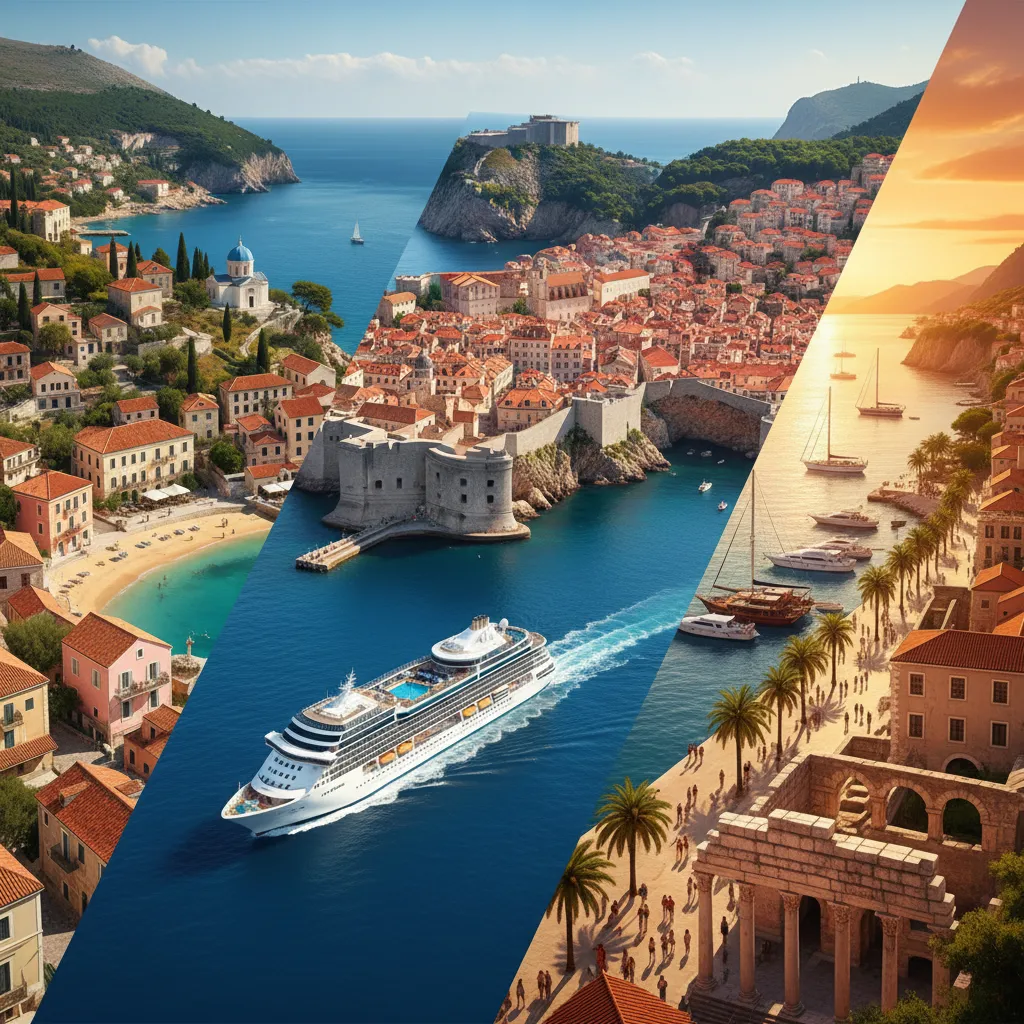
Three days, three ports, and a lifetime’s worth of stories—this is the heart of the Adriatic Antiquities cruise. Each stop—Corfu, Dubrovnik, and Split—offers its own blend of ancient sites, local color, and just enough unpredictability to keep things interesting. If you’re planning your own Corfu Dubrovnik Split cruise stops, here’s what made these days unforgettable for me (and why you should triple-check those Visa requirements for Greece, Croatia, and Albania in 2025 before you go!).
Corfu: Olive Groves, Courtyards, and a Donkey Cameo
We docked in Kerkira (Corfu) on October 14, 2025, from 8:00 am to 5:00 pm. With the sun already warming the hills, I set out to chase the light through olive groves and winding lanes. Corfu’s Old Town is a UNESCO World Heritage site, and it shows: Venetian fortresses, pastel mansions, and museum courtyards around every corner. I wandered through the Archaeological Museum, then stumbled into a tiny square where a local festival was underway—complete with a donkey, which seemed as surprised to see me as I was to see it. Travel tip: Some nationalities need a visa for Greece, so check ahead to avoid last-minute surprises.
Dubrovnik: Medieval Walls and Unexpected Fandom
October 15 brought us to Dubrovnik, Croatia (8:00 am–5:00 pm). The city’s medieval walls rise straight out of the Adriatic, and the old town is a living museum. I joined a shore excursion that traced the city’s ancient ramparts and ended up in a bustling square, where I met a Game of Thrones superfan in full costume—selfie mandatory. The blue of the sea here is hypnotic, and the stone streets echo with centuries of history. As my Croatian guide Ivan Radić put it:
“History isn’t something you learn here—it’s something you trip over every five minutes.”
Remember: Croatia’s visa requirements can change, so confirm your status before sailing.
Split: Roman Ruins, Street Art, and Gelato
On October 16, we arrived in Split (8:00 am–3:00 pm)—shorter port time, so every minute counted. Diocletian’s Palace, the city’s ancient Roman heart, is alive with shops, cafes, and bursts of modern street art. I got lost in the palace’s shadowy corridors and discovered what might be the world’s best gelato. My attempt at Croatian (“Hvala!”) earned me laughter, a free coffee, and a selfie with three locals. Split is proof that ancient sites in Greece and Croatia aren’t just relics—they’re part of daily life.
- Port times matter: Corfu (8-5), Dubrovnik (8-5), Split (8-3)—plan ahead to see more than just souvenir shops.
- Visa requirements Greece Croatia Albania 2025: Always check before you go; missing paperwork can mean missing out on shore adventures.
Venetian Detour: A Love Letter to Trieste (and Venice, if You Squint)
On October 17, 2025, our Adriatic Antiquities cruise made its much-anticipated stop in Trieste—a city often described as the “gateway to Venice,” but one that deserves its own standing ovation. With a generous port call from 7:00 am to 8:00 pm, Holland America’s thoughtful itinerary pacing gave us the rare gift of time: time to wander, to linger, and to let Trieste’s unique spirit seep in. This is the kind of Mediterranean cruise pricing that feels like a true value—longer port stops that invite deeper travel experiences, not just a quick photo op.
Stepping ashore, I expected echoes of Venice. After all, Trieste is as close as you’ll get to the Venetian dream on this cruise stop. But what I found was a city that’s wildly Italian in its own right—where the coffee is strong, the sea air is bracing, and the architecture tells a story all its own. My day began with a cappuccino as the sun crept over Piazza Unità d’Italia, the largest sea-facing square in Europe. Locals chatted over pastries, and I felt like I’d slipped into a quieter, more authentic Italy.
By midday, I was tracing ancient stones at the Roman amphitheater, marveling at how history here is woven into daily life. There’s no rush—just the gentle encouragement to explore at your own pace. Holland America really nails these long port stays, giving us time for zero-agenda wandering. I strolled the canal-side streets, ducked into bookshops, and let myself get a little lost—just as the Venice legend says: If you get lost, you’re doing it right.
As the afternoon light softened, I found myself shopping for Murano glass—yes, the real deal, shimmering in shop windows. The city’s Venetian past lingers in its art and atmosphere, but Trieste’s soul is all its own. I ended up on a quiet bridge, watching fog roll off the water, the scene so evocative it could have been the Grand Canal itself.
My favorite unscripted moment? Meeting a violinist playing under a dripping awning. I dropped a few coins into his case and, in return, got a melody I’ll probably forget but never really lose. That’s the magic of slow travel—the unexpected gifts that stay with you long after you’ve sailed away.
‘Travel isn’t about seeing everything—it’s about letting places leave a mark on you.’ – Lucia Romano, Italian tour host
Trieste may be the closest cruise stop to Venice, but it’s no mere understudy. With a full day to soak in its culture, history, and slow travel vibes, I left feeling like I’d discovered a secret—one that’s best experienced when you have the luxury of time.
The Unsung Charms: Sarande and the Thrills (and Thrills) of Tender Ports
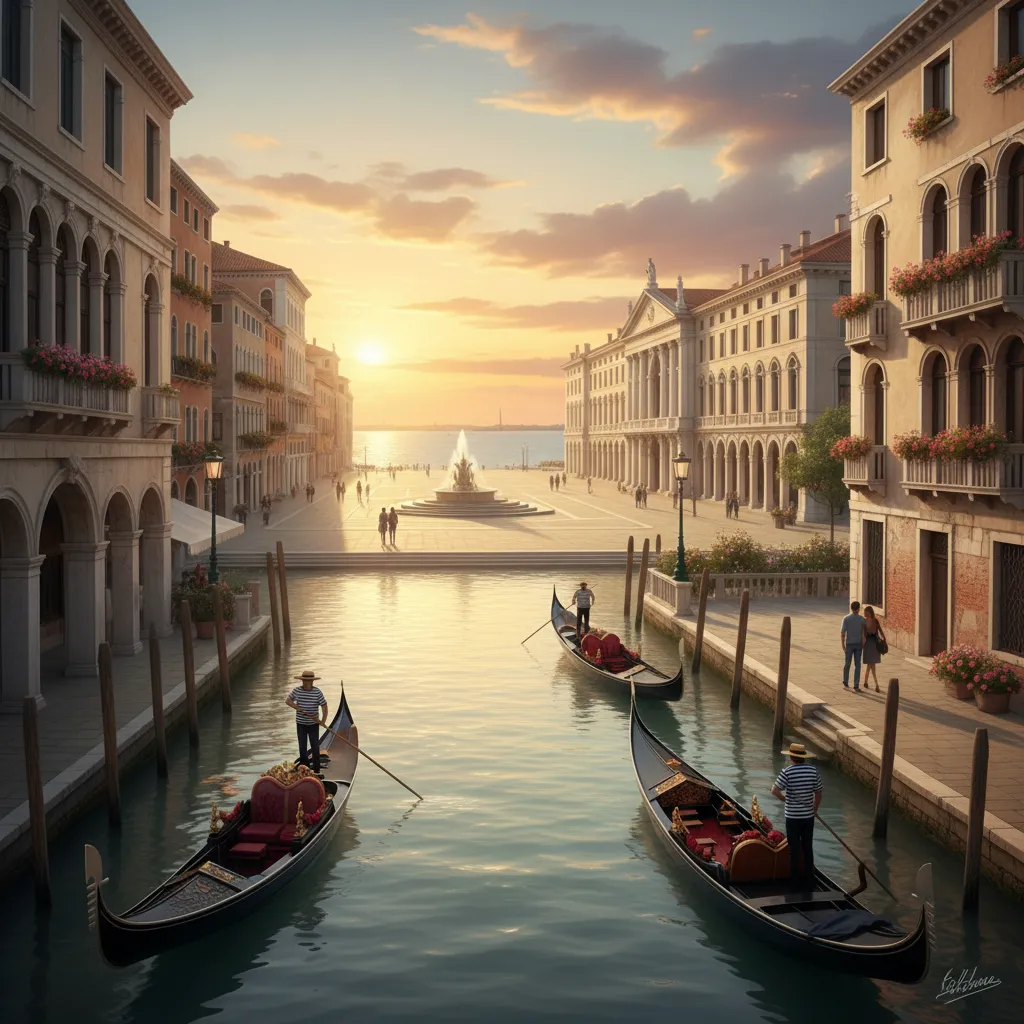
October 19, 2025: My first time in Albania, and Sarandë instantly rewrote my expectations. The Ionian Sea shimmered in impossible shades of blue and green as our ship anchored offshore. Unlike the grand, bustling cruise terminals of Greece or Croatia, Sarandë is a tender port—which means you literally “hop” ashore in small boats. It’s a logistical circus, with guests queuing for their turn and crew members orchestrating the ballet of lifeboats-turned-shuttles. But honestly, this extra step only added to the adventure. There’s something about stepping onto land from a bobbing tender that makes every arrival feel like a secret discovery.
Accessibility is worth noting: limited wheelchair access means planning ahead is crucial if mobility is a concern. For everyone else, the reward is a street-level immersion that’s hard to replicate in bigger ports. Our window was tight—just 8 am to 4 pm—but with a little planning and a lot of improvisation, Sarandë delivered more than I could have hoped.
My first stop was the local street market, a riot of color and sound. Here, Spanglish, euros, and wild gestures became my currency. I swapped coins and stories with a vendor for a bag of figs, and in return, got an epic tale about local pirates (not all tall tales, apparently). As I bit into a sun-warmed fig, I thought,
“There’s no app for the taste of market figs just off the boat.”
Visa requirements for Albania in 2025 are straightforward for most nationalities, but always double-check before you go—especially if your cruise also stops in Greece or Croatia, where visa requirements can vary. Sarandë may not have the ancient sites of Greece or Croatia, but its charm is in the details: the splash of fishing boats, the laughter of kids chasing stray cats, and the scent of grilled seafood drifting from tiny tavernas.
One of my favorite moments came during a spontaneous food tour. I met a family from the Netherlands, and we quickly found ourselves deep in debate over the best way to eat olives. We left with way too much cheese, a few new friends, and a reminder that the best travel memories are rarely planned.
In tender ports like Sarandë, flexibility is your best friend. The visit may be short, but if you stay curious and open, you’ll find the kind of stories that linger long after the ship sails on.
Olympia Unveiled: Ruins, Rituals, and Running (Yes, Seriously)
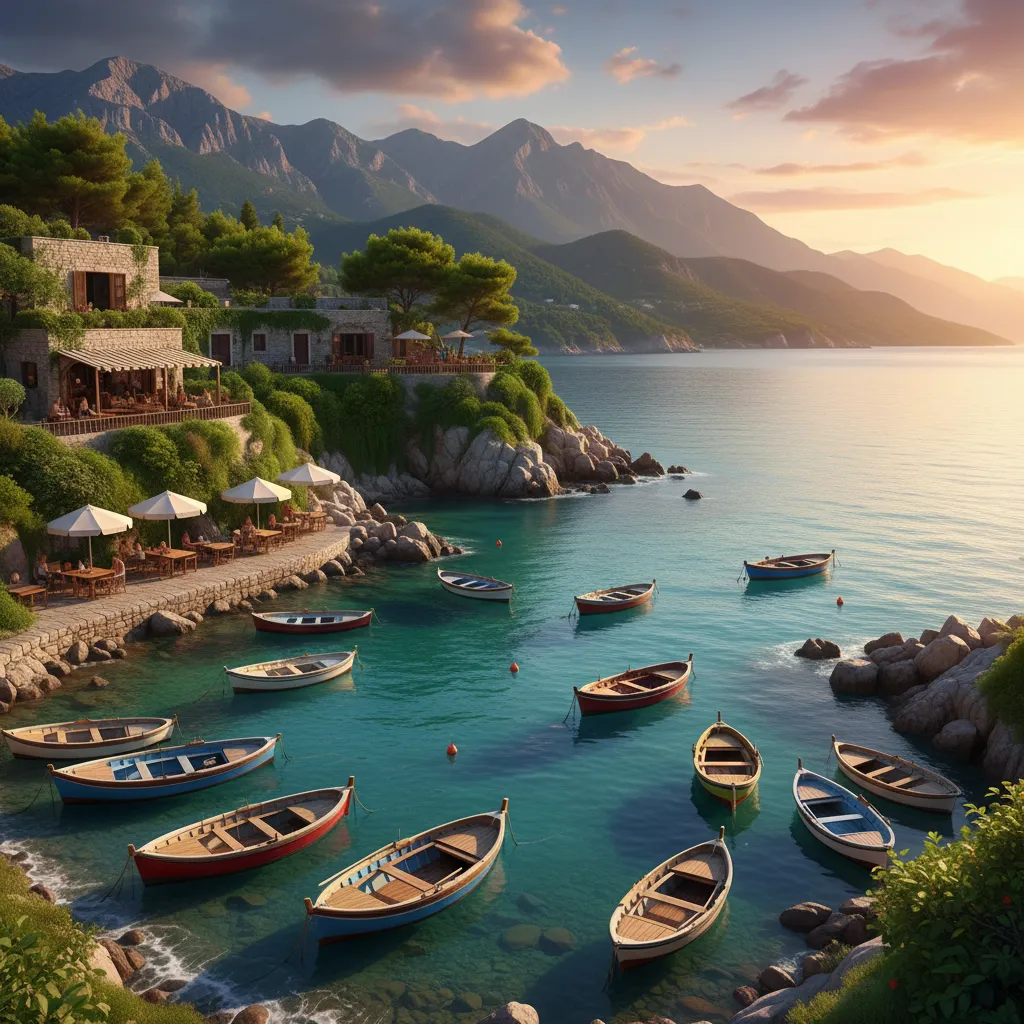
Arriving at the Katakolon cruise port on October 20, 2025, I could practically taste history in the air—thick, sun-warmed, and humming with anticipation. This is the gateway to Ancient Olympia tours, and as soon as I stepped ashore, I felt like I might accidentally ignite the Olympic Flame just by breaking into a jog. Olympia isn’t just a collection of ruins; it’s a living memory, a place where the past feels startlingly present.
Our Olympia cruise excursion began with a short, scenic drive through olive groves and sleepy villages, until the ancient site unfolded before us. The first thing that struck me: Olympia is more than relics. You can actually wander through the gymnasiums where athletes once trained, the temples where gods were honored, and the athletic grounds where legends were made. The Ancient Olympia ruins are surprisingly accessible—there’s nothing quite like tracing the original marble starting blocks in the stadium and imagining the roar of ancient crowds.
The Olympia Archaeological Museum was a revelation. I lost track of time staring at sculpted athletes frozen in mid-stride, their muscles and expressions so vivid you almost expect them to leap from their pedestals. The museum breathes life into stone, and as Georgia Papadopoulos, our museum guide, put it:
“Olympia isn’t just history—it’s a story our feet still carry with every step.”
And yes, I ran a (very slow) race in the original Olympic stadium. It’s practically mandatory—everyone lines up, tourists from all over the world, and sprints (or shuffles) down the ancient track. Strangers cheered, laughter echoed, and for a moment, we were all Olympians. That hands-on joy is what makes cruise shore excursions here unforgettable.
Afterwards, I wandered through the village near Katakolon. Post-excursion strolls are a must: I found sweet baklava, sampled potent raki, and chatted with an elderly shopkeeper who claimed to remember the ‘original’ Games (I suspect a bit of embellishment, but the stories were priceless). These local encounters add a layer of warmth and authenticity to the historical narrative—Olympia is as much about living culture as ancient stones.
Pro tip: Don’t let paperwork trip you up—check Visa rules for Greece before you go. Missing out on playing tourist among the gods would be a true tragedy.
From the moment you dock at Katakolon cruise port to your last bite of baklava, Olympia cruise excursions blend hands-on history, lively village culture, and one-of-a-kind travel memories. Here, every step truly echoes with the spirit of the Games.
Final Port, Final Thoughts: Chania (Souda), Crete and the Bittersweet Art of Goodbye
Chania (Souda), Crete, our final cruise destination, arrives almost as a surprise. One moment, I’m wandering through myth—imagining Minoan kings and Venetian merchants; the next, I’m sipping crisp Cretan wine in a sunlit seaside bar, the taste of the island lingering on my tongue. This cruise stop in Khania, scheduled for October 21, 2025 (8 am–4 pm), is a fitting finale: a place where ancient stories and modern pleasures blend seamlessly.
Stepping off the ship, the Venetian Harbour of Chania beckons with its pastel facades and bobbing fishing boats. The city’s labyrinthine markets are alive with voices, scents of wild herbs, and the glint of olive oil bottles. Here, every alleyway seems to tangle with history—legend has it some still echo with Minoan footsteps (though, as locals will tell you, don’t quote them on that). It’s easy to lose yourself in the maze, discovering hidden courtyards, Byzantine churches, and bakeries where baklava glistens under glass.
There’s a tradition I’ve come to cherish: one last swim before returning to the ship. The water is always colder than expected—invigorating, almost shocking—but I emerge with salt in my hair and a grin I can’t quite explain. It’s a ritual that marks the end of the journey, a way to carry a piece of Crete with me as I prepare to say goodbye.
Chania’s magic is in its contrasts. In the span of a morning, I can stand in the shadow of Venetian fortresses, haggle for honey in a bustling market, and debate local wines with a stranger who quickly becomes a friend. The city is both a living museum and a vibrant modern hub, making it the perfect symbolic endpoint for a cruise that bridges ancient and modern worlds. As Cretan historian Eleni Tsourlakis once said:
“The end of a journey doesn’t mean an end to travel—it’s merely a new direction.”
On my last night, the tradition continues: a lively debate with fellow travelers about whether baklava tastes better in Athens, Split, or Chania. The results are inconclusive, the arguments ongoing—proof that some journeys never really end.
Before you disembark at this final port, remember to double-check visa requirements for Greece, Croatia, and Albania in 2025. Each stop has its own rules, and a little planning ensures the only surprises are the good kind.
Chania, Crete, is more than a cruise stop—it’s a bittersweet farewell, flavored with history, food, and the sense of longing that marks all the best goodbyes.
Beyond the Brochure: Holland America’s Finishing Touches and Pro Travel Tips
When you book a Mediterranean cruise with Holland America, you quickly realize the glossy brochure is just the beginning. The real magic lies in the finishing touches—the thoughtful details and expert support that transform a trip into a seamless adventure. For our 10-day Adriatic Antiquities cruise, the Holland America cruise amenities made all the difference, starting with their free cruise specialists. These aren’t just call center agents reading from a script; they’re genuine travel pros who helped me weigh the merits of an “Olympia ruins” excursion versus a “magic gelato” walking tour in Venice. Their advice was invaluable, especially when it came to mapping out my days and making sure I didn’t miss the highlights (or the best desserts).
Another standout is Holland America’s Future Cruise Credits program. Midway through the journey, I found myself already dreaming of my next Mediterranean adventure. The option to secure future cruise credits and book low airfare rates before even disembarking is both a blessing and a temptation—especially for impulsive travelers like me. It’s easy to see why so many guests become repeat cruisers; the planning support and exclusive deals make Mediterranean cruises in 2025 travel planning almost too convenient.
Onboard, when plans go sideways (or diets do), the dining and entertainment options are a welcome distraction. Whether it’s a last-minute reservation at the Pinnacle Grill or stumbling into a live jazz set, there’s always something to savor or discover. My friend’s accidental booking of a Holland America wine class instead of the cheese tasting turned out to be a happy mistake—she’s still raving about the experience. These little surprises are part of the charm, and the staff’s flexibility ensures every guest finds their own version of delight.
In today’s digital world, even privacy gets the white-glove treatment. Holland America’s approach to cookie consent and digital choices means you can refine your onboard and online experiences, from targeted offers to personalized browsing. It’s a small but meaningful way to ensure your preferences are respected, making the journey feel even more tailored.
Of course, realistic travel planning means keeping an eye on the numbers. Mediterranean cruise pricing starts at $1,809 per person, with up to $75 in government taxes and fees. Factor in souvenirs, shore excursions, and those tempting onboard extras, and it’s wise to budget accordingly. As seasoned cruiser Jane Smith once told me,
“A great cruise is equal parts destination and delegation—Holland America excels at both.”
After experiencing their finishing touches firsthand, I couldn’t agree more. Whether you’re a first-timer or a cruise veteran, Holland America’s blend of expert support, thoughtful amenities, and flexible planning ensures your Mediterranean journey is as smooth as the Aegean itself.
TL;DR: If you’re craving a mix of ancient wonders, blue-water days, and lively port cities—layered with both history and personal oddities—the 10-Day Adriatic Antiquities cruise squeezes a lifetime of Mediterranean stories into just one trip.
Related Posts
-
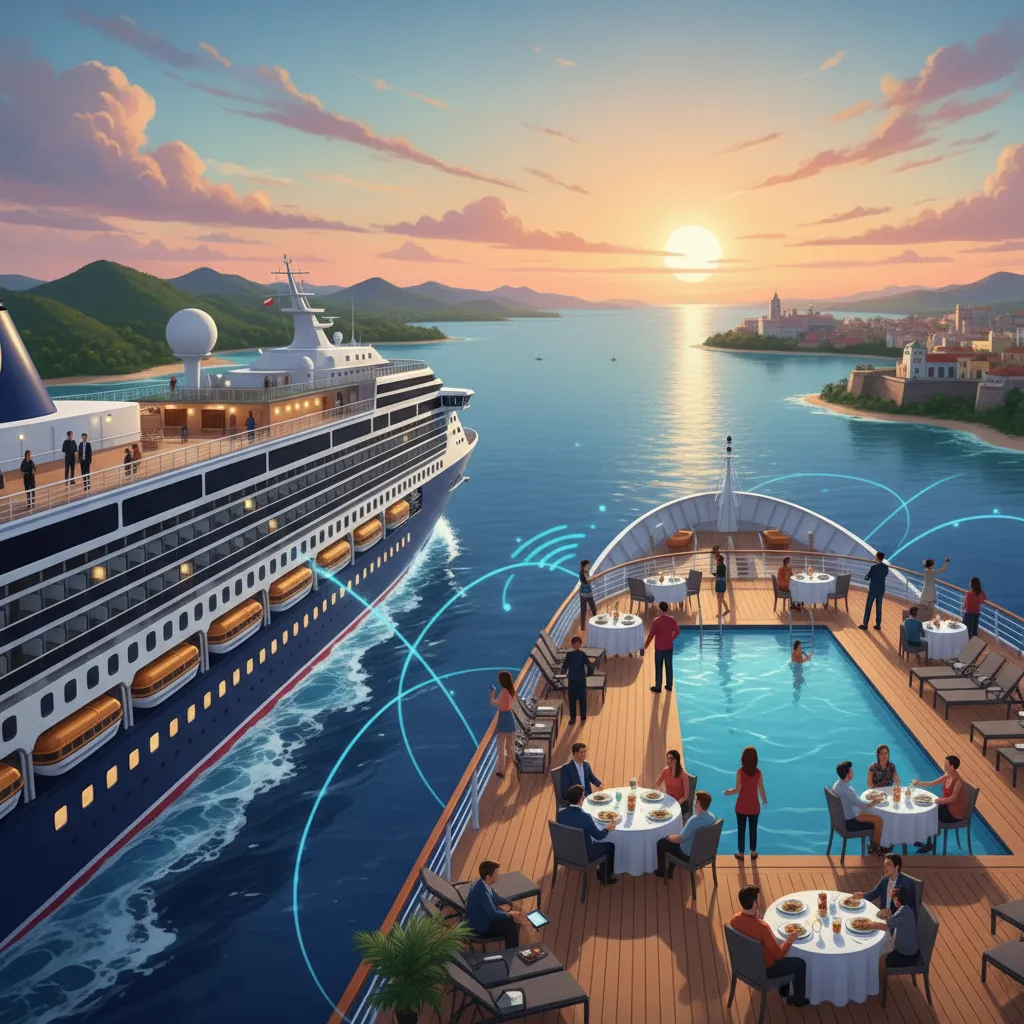
Waves, Wonders, and WiFi: My Whirlwind Through Holland America’s 14-Day Eastern & Western Caribbean Cruise (November 2025)
To sum it up: Holland America’s 14-Day Eastern & Western Caribbean cruise in November 2025 isn’t just an itinerary—it’s a whirlwind of beach-hopping, shipboard surprises, and refreshingly human moments, all with helpful planning perks and some real-world twists. If you crave more than just picture-perfect ports, climb aboard.
-
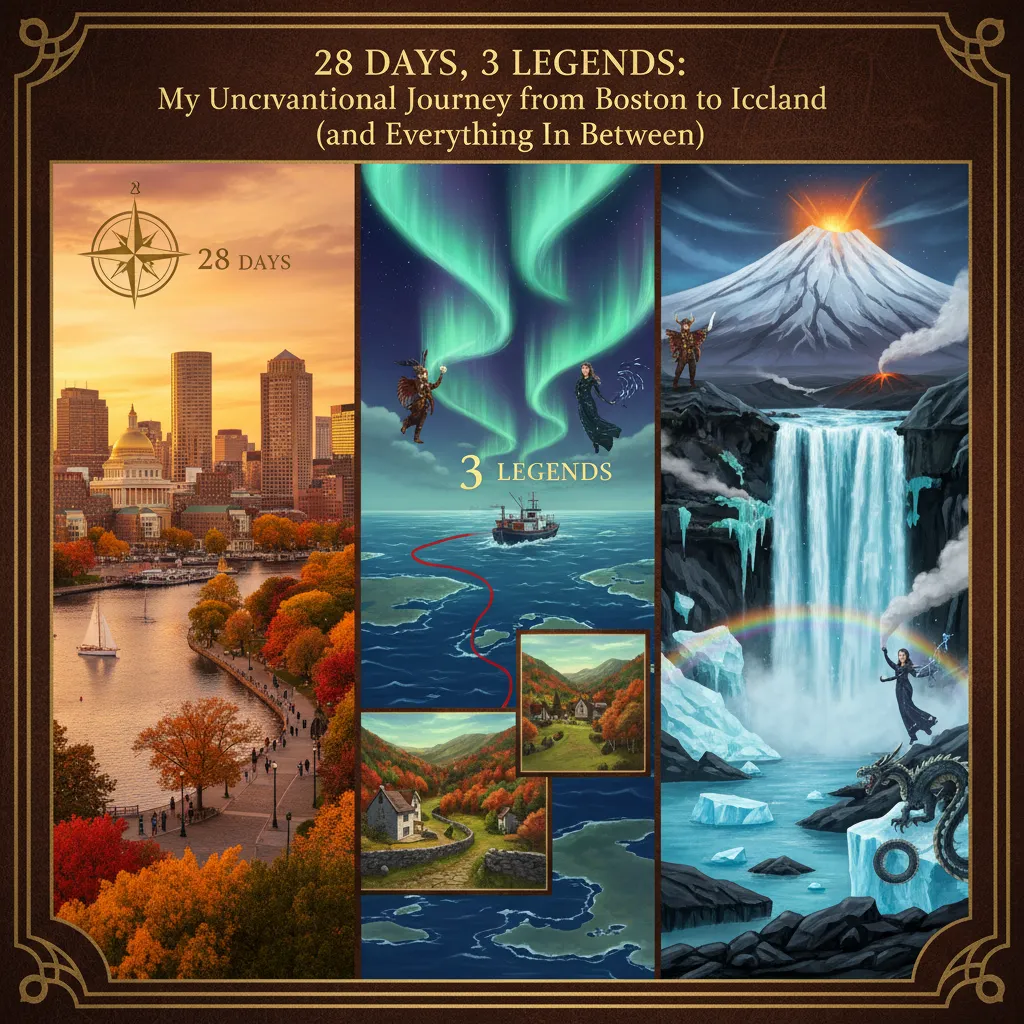
28 Days, 3 Legends: My Unconventional Journey from Boston to Iceland (and Everything In Between)
If you crave true adventure and quirky stories, the 28-day Legendary Canada, Greenland & Iceland cruise with Holland America is more than a checklist of ports—it’s a portal to unforgettable moments, spontaneous discoveries, and the rare freedom of time spent at sea.
-
Sailing Beyond Expectations: My Sensory Adventure on the Celebrity Equinox’s 9-Night Spain, Portugal & Morocco Cruise
TL;DR: My week and a half on Celebrity Equinox was far more than a string of ports or plates of food—it was a masterclass in how luxury travel can feel intimate, spontaneous, and immensely rewarding. From Lisbon’s charming alleys to the chef’s table at sea, expect surprises at every turn.
-
Sailing Unscripted: An Unexpectedly Personal Guide to the 7-Day Western Caribbean with Holland America
If you’re dreaming of a Western Caribbean adventure with equal parts edge, luxury, and realness, Holland America’s 7-day itinerary delivers. From Miami madness to crystalline Cozumel, the ride is unpredictable, transparent, and unforgettable. Pack that cocktail dress—and the hiking boots.