

Stormy Seas & Silver Linings: The Candid Truth About Cruising During Hurricane Season
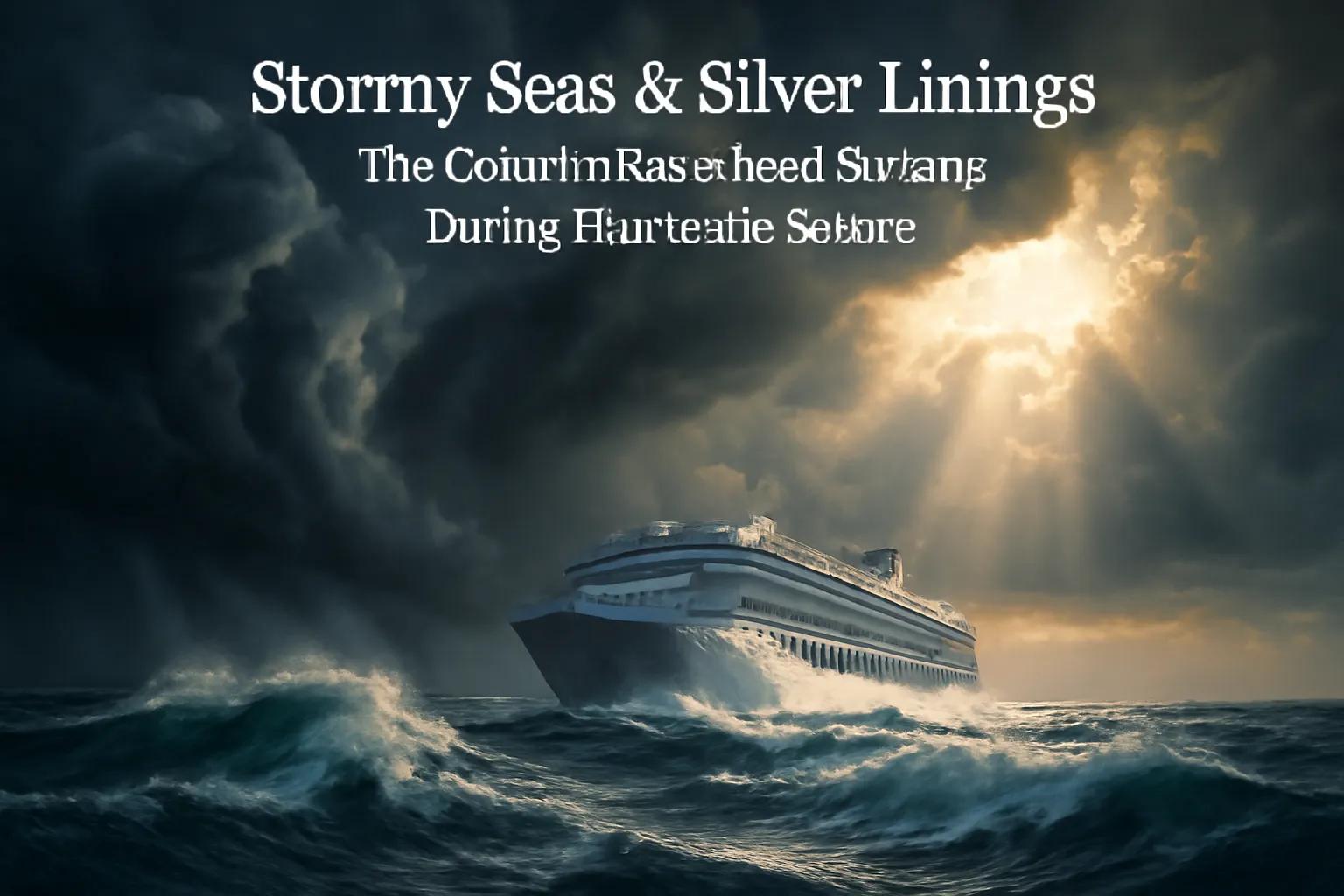
Five years ago, I shrugged off my friends’ warnings and booked a last-minute Caribbean cruise in September—peak hurricane season. My reasoning? A deal too good to resist and a stubborn optimism that Mother Nature would cut me a break. Spoiler: she didn’t. But I returned with more than discounted souvenirs—namely, an arsenal of unpredictable stories (and some soggy flip-flops). This isn’t just a summary of weather statistics and safety tips; it’s an honest, occasionally offbeat look at what actually goes down when your vacation coincides with a tropical tempest.
1. Why on Earth Would Anyone Cruise During Hurricane Season? (Besides Cheap Fares)
When I first told friends I was cruising during hurricane season, I got a lot of raised eyebrows. “Why on earth would you do that?” they asked. Sure, the hurricane season cruise pricing is a big draw—who doesn’t love a bargain? But there’s actually much more to love about cruising during hurricane season than just cheap fares.
Off-Season Rates: Shockingly Low Prices for Luxurious Cabins
Let’s start with the obvious: the deals. Cruise fares are often 30-50% lower during hurricane season, which runs from June to November (with the Atlantic peak from August to October). I’ve seen balcony cabins and even suites at prices that would be unthinkable in December or March. This isn’t just about saving money—it’s about upgrading your whole experience. Suddenly, that spacious stateroom or private balcony is within reach.
Less Crowded Decks: More Space, Fewer Elbows
One of my favorite perks? The ship feels almost like a private yacht. With fewer families and kids onboard (thanks to school schedules), there’s more space by the pool, fewer lines at the buffet, and a quieter, more relaxed vibe everywhere. I remember one September cruise where I kept bumping into the same dozen guests so often that we were soon on a first-name basis. It’s a different kind of social experience—more intimate, less chaotic.
A Sense of Adventure: Embracing the Unexpected
If you love a little unpredictability, cruising during hurricane season is for you. There’s a certain thrill in knowing your itinerary might change, and that you’re trusting the captain and crew to keep you safe and comfortable. As John Heald, Senior Cruise Director at Carnival, says:
“The real secret is flexibility—and a sense of humor.”
It’s true. The best cruise lines for hurricane season know how to dodge storms and keep guests entertained, even if plans shift.
Myth-Busting: Calm Seas and Cruise Ship Mobility
Contrary to popular belief, the ocean isn’t always rough during hurricane season. In fact, high-pressure and humid conditions often mean calmer seas than you’d expect. Plus, cruise ships are mobile—they can change course to avoid bad weather, unlike land resorts that are stuck in the storm’s path. I’ve sailed through weeks where the water was as smooth as glass, with nothing but blue skies overhead.
- Cheaper fares and more cabin choices
- Less crowded public spaces and pools
- Adventure and flexibility in your vacation
- Calm seas are more common than you think
- Ships can move—your vacation isn’t stuck in the storm
So, if you’re a bargain-hunter, a thrill-seeker, or just someone who loves a quieter ship, cruising during hurricane season might be your best-kept secret.

2. Batten Down the Hatches: Real Talk on Hurricane Season Cruise Safety
Let’s get real about hurricane season cruise safety: it’s not just about hoping for smooth seas and blue skies. I’ve cruised through more than one stormy season, and I can tell you—modern ships are nothing like the leaky vessels of old. Today, you’re sailing on a floating fortress, packed with tech and staffed by pros who treat safety like a sacred mission.
Cruise Ship Stabilizers: Your Secret Weapon Against Rough Seas
First things first: stabilizers. These high-tech fins extend from the ship’s hull and work like magic wands, counteracting the roll and sway that storms can bring. I’ve watched the horizon tilt, only to feel the ship barely move beneath my feet. It’s wild. Stabilizers, combined with advanced navigation systems, mean you’re not just at the mercy of the sea gods anymore.
Weather Tracking: Meteorologists and Satellites to the Rescue
Passenger safety during hurricanes starts long before you ever see a cloud. Cruise lines employ teams of meteorologists who monitor weather patterns 24/7. Ships are linked to satellite tracking and radar, giving the captain up-to-the-minute data. It’s like having a superhero team on the bridge, plotting the safest course. I once imagined myself standing next to the captain, both of us staring at a giant digital map, plotting our escape route from a swirling storm. In reality, the crew does this every day, adjusting routes as needed.
Rerouting: Flexibility Is the Name of the Game
Here’s the truth: ships reroute all the time during hurricane season. You might book an Eastern Caribbean cruise and wake up to find you’re heading west instead. On one trip, I woke to an announcement: “Due to adverse conditions, we’ll be skipping Jamaica.” It was surreal, but honestly, it was also reassuring. The captain’s calm voice made it clear: safety comes first, fun second. As Captain Kate McCue of Celebrity Cruises says,
‘If it’s not safe, we’re not going.’
Most ships reroute several times each hurricane season, and while it might mean missing a port, it also means you’re in good hands.
Trained Crew: Obsessive About Safety
The crew isn’t just there to serve cocktails—they’re obsessively trained for emergencies, from storms to seasickness. Every crew member drills regularly, and guests get a front-row seat to safety briefings and drills. It can feel a bit unnerving, but it’s also comforting to know everyone knows exactly what to do if the weather turns wild.
- Stabilizers keep the ride smooth.
- Weather tracking keeps you out of harm’s way.
- Rerouting is normal and always done for your safety.
- Crew training is constant and thorough.
When it comes to hurricane season cruise safety, technology, training, and flexibility are your best friends at sea.

3. Expect the Unexpected: When Your Dream Itinerary Takes a Detour
If you’re cruising during hurricane season, one thing is certain: cruise itinerary changes are not just possible—they’re likely. It’s a bit like spinning a roulette wheel. One moment you’re dreaming of Antigua, and the next, you’re unpacking your swimsuit for an unexpected extra day at sea. The impact of hurricanes on cruise itineraries is real, and flexibility quickly becomes your best travel companion.
I’ll never forget my own wild card experience. We were bound for St. Thomas, but overnight, the captain’s announcement changed everything. A storm system had shifted, and suddenly our ship was rerouted. Instead of exploring pastel-colored streets, we found ourselves gliding through open waters, the itinerary rewritten in real time. At first, disappointment set in—until the crew rolled out a surprise Caribbean-themed deck party, complete with steel drums and a pop-up lobster grill. That bonus sea day? It delivered the best lobster I’ve ever tasted, all thanks to a detour I never saw coming.
Cruise Ship Policies: Know Before You Go
Most cruise lines have clear policies about itinerary changes due to weather. As Richard Fain of Royal Caribbean puts it,
‘Hurricanes may change our route, but not our commitment to guests.’
That commitment often includes compensation when plans shift—think onboard credits, free specialty dining, or extra entertainment. But the details matter. Some lines offer more generous perks than others, and notification can come with only a few hours’ notice. Always read the fine print and ask questions before you sail. Knowing your cruise line’s policies can make those last-minute switches less stressful.
Shore Excursions: Book with Caution
Shore excursions during hurricane season can be a gamble. If you’ve booked independently, a canceled port might mean forfeiting your deposit. Booking directly through the cruise line usually offers more protection, with automatic refunds or rescheduling if your ship can’t dock. Still, double-check those refund policies before you commit. Flexibility is key—sometimes the best adventures happen when plans go sideways.
When Plans Change, Adventure Awaits
- Itinerary switches: Expect ports to be swapped or skipped—sometimes mid-voyage.
- Onboard creativity: Cruise lines often add bonus activities, themed parties, or special menus to keep spirits high during unexpected sea days.
- Compensation: Onboard credits or perks are common, but amounts and types vary by cruise line.
- Communication: Updates may come with little warning—be ready to adapt.
Ultimately, cruising during hurricane season means embracing the unknown. Sometimes, the detour becomes the highlight—like savoring that unforgettable lobster under stormy skies, grateful for the silver lining in every surprise.

4. Travel Insurance or Bust: Navigating Coverage in Stormy Times
When it comes to cruising during hurricane season, I’ve learned the hard way that travel insurance for hurricane season isn’t just a nice-to-have—it’s absolutely essential. As Erica Silverstein from Cruise Critic puts it,
“A good travel insurance policy is as important as a passport.”
But here’s the catch: not all travel insurance is created equal. If you’re picturing a generic policy that covers every possible hiccup, think again. The devil is in the details—especially those hurricane clauses buried deep in the fine print. Before you buy, make sure you’re looking at comprehensive travel insurance that specifically covers weather-related emergencies, trip interruptions, cancellations, and even perks like missed ports.
Read the Hurricane Clauses—Seriously
Many travelers assume their cruise travel insurance will automatically cover any storm-related chaos. In reality, some policies exclude hurricanes altogether, or only kick in under very specific circumstances. Always check for:
- Coverage for weather-related emergencies (including hurricanes and tropical storms)
- Protection for pre-existing conditions (if that’s a concern for you or your travel companions)
- Reimbursement for more than just your cruise fare—think flights, hotels, and prepaid excursions
Comprehensive Policies: More Than Just a Refund
What sets comprehensive travel insurance apart is its broad scope. It’s not just about getting your cruise fare back if your trip is canceled. Good policies can also cover:
- Last-minute flight changes or cancellations
- Hotel stays if you’re stranded or rerouted
- Lost or delayed luggage
- Missed port perks or excursions
- Medical emergencies (which can be a lifesaver at sea)
The Wild Card: A Lesson Learned
I’ll never forget the story of a fellow cruiser I met last year. She’d always insisted travel insurance was a waste—until a hurricane forced our ship to detour to Miami instead of the Bahamas. While the rest of us filed claims for our extra hotel nights and missed excursions, she was left footing the bill. That one trip changed her mind for good.
Timing Is Everything
If you take away one tip, let it be this: buy your cruise travel insurance as soon as you book. Most policies require you to purchase within 14-21 days of your initial booking to be covered for named storms. Wait too long, and any hurricane that pops up on the radar is considered a “known event”—and you’re out of luck.
In the end, comprehensive travel insurance isn’t just about refunds—it’s about peace of mind. When you’re navigating stormy seas, that’s worth every penny.
5. Packing, Planning, and Prepping—With a Sprinkle of Humor
Let’s be honest: preparing for a cruise during hurricane season is a little like packing for a picnic in Jurassic Park. You want to be ready for sunshine, but you’d better have a plan for the unexpected. The Atlantic hurricane season officially runs from June 1 to November 30, and if you’re setting sail during these months, a little extra prep can turn stormy seas into smooth sailing—or at least keep your socks dry.
Packing Light (But Never Forget the Spare Shoes)
First things first: pack light, but always—always—bring an extra pair of shoes. Trust me, soggy flip-flops are a vibe you’ll want to avoid. I learned this the hard way after a surprise downpour turned my favorite sandals into squishy, slippery regret. When it comes to weather considerations for cruising, quick-dry clothing and a compact poncho are your best friends. And don’t forget a waterproof phone pouch. It might sound silly, but when a rain-squall soaks your pocket mid-excursion, you’ll be the one laughing (and texting dry-handed).
Build a Buffer: Arrive Early, Stress Less
One of my top hurricane season cruise tips: arrive at your embarkation city at least one to two days early. Travel delays and weather disruptions are common, and storms take no prisoners. That extra day is your sanity-saver. You’ll thank yourself when your flight is delayed and you’re not racing the clock to the port. Plus, you get bonus time to explore a new city—or just nap off the pre-cruise excitement.
Embrace the Unknown: Apps, Alerts, and Flexibility
Weather apps, cruise alerts, and flexible plans are your best friends during hurricane season. I keep at least two weather apps on my phone and sign up for cruise line notifications. Plans may change, ports may shift, and sometimes, you’ll find yourself with an unexpected sea day. As Matt Hochberg from Royal Caribbean Blog says:
‘Cruising is about embracing the unexpected—especially during hurricane season.’ – Matt Hochberg, Royal Caribbean Blog
So, keep your plans loose and your playlist ready for those surprise sea days. (Pro tip: a little Jimmy Buffett goes a long way when you’re watching the rain from the Lido deck.)
Lessons Learned (The Hard Way)
On my first hurricane season cruise, I discovered you can dry a wet passport with a hair dryer. Do I recommend it? Absolutely not. But it’s proof that a sense of humor and a little patience go a long way when the weather throws you a curveball.
Checklist for Hurricane Season Cruising
- Poncho (compact and stylish, if possible)
- Extra shoes (dry feet = happy cruiser)
- Waterproof phone pouch
- Weather apps and cruise alerts
- Patience (lots of it)
- Playlist for unexpected sea days
Preparing for a cruise during hurricane season is all about smart packing, flexible timetables, and a dash of humor. After all, a little laughter is the best travel insurance there is.

6. Wild Weather Myths & Surprising Silver Linings
When it comes to weather considerations for cruising during hurricane season, I’ve heard it all: “You’ll be seasick the whole time,” “The ship will rock like crazy,” and “You’ll spend your vacation hiding from storms.” But after several hurricane season cruises, I can honestly say that most of these wild weather myths are just that—myths. In reality, the experience is often far smoother, more memorable, and even more magical than you might expect.
Not Every Storm Brings Chaos
One of the biggest surprises for me was how calm the ocean can be, even when a storm is nearby. Thanks to advanced cruise ship stabilizers, the ride is often smoother than a city bus. I like to compare it to riding a Segway—at first, you expect to wobble, but the technology keeps you steady. In fact, many guests report that seas are shockingly smooth, even during hurricane season. Sometimes, the only sign of a passing squall is a spectacular sunset that follows, painting the sky in colors no postcard could ever capture.
Myth-Busting: Cruise Ship Technology & Adaptability
Modern ships are built with weather in mind. Hurricane season cruise planning means itineraries are flexible, and captains have access to real-time weather data. If a storm is brewing, the ship simply changes course. I’ve watched our captain reroute us overnight, waking up to calm seas and a new, unexpected port. It’s a testament to how technology and adaptability turn potential chaos into smooth sailing and unexpected adventure.
Irony: The Best Memories Are Often Unplanned
Some of my favorite cruise memories happened because plans went awry. Once, a sudden change in weather meant our beach day was canceled. Instead, the crew organized a trivia night in the lounge. What started as a simple game turned into a full-blown lifeboat-drill party, complete with impromptu karaoke and new friendships. There’s an irony here: the moments I remember most fondly are the ones that weren’t on the itinerary.
Unexpected Camaraderie at Sea
Weathering a storm together creates a unique bond among passengers. I’ll never forget the sense of camaraderie that grew during a particularly blustery evening. We laughed, swapped stories, and cheered each other on during a makeshift dance contest. It’s proof that unpredictable weather can lead to the most memorable travel moments.
‘It’s not just about the destination, but the stories you collect along the way.’ – Samantha Brown, Travel Channel
So, while hurricane season cruising comes with its share of myths, my real-life experiences—and those of many fellow travelers—prove that the silver linings often outshine the storms. The combination of modern technology, flexible planning, and the magic of the sea means that even wild weather can lead to unforgettable stories and sunsets you’ll never forget.
7. The Bottom Line: Is Cruising During Hurricane Season Really Worth It?
After sailing through stormy skies and sunlit seas, I can say with confidence that cruising during hurricane season is a unique adventure—one that isn’t for everyone, but can be incredibly rewarding for the right traveler. If you’re ultra-cautious or want a perfectly predictable vacation, this may not be your season. But if you’re willing to embrace a little uncertainty, the rewards can far outweigh the risks.
Let’s talk value. Cruise fares during hurricane season often drop by 30-50%, making this period a goldmine for budget travelers and adventure seekers. I was able to snag a balcony cabin for less than the cost of an inside room during peak months. The ships were less crowded, the crew had more time for personalized service, and the atmosphere felt relaxed—even when the weather was anything but.
Of course, there are real risks. It’s important to remember that storms can and do disrupt itineraries. Ports may change, and you might spend more time at sea than planned. But with the right preparation—think flexible packing, comprehensive travel insurance, and a willingness to go with the flow—these inconveniences become part of the story rather than a dealbreaker. As Rick Steves wisely says,
‘Risk is part of the adventure—especially at sea.’
For me, the key to enjoying a hurricane season cruise was adopting the right mindset. I learned to laugh at the unpredictability, to savor the unexpected detours, and to trust the crew’s expertise. Cruise lines have safety as their top priority, and modern ships are equipped with advanced technology to avoid the worst of the weather. If you’re preparing for a cruise during hurricane season, take time to read up on hurricane season cruise safety tips, pack a little extra patience, and don’t forget that travel insurance.
Looking back, the value I received far outweighed any inconvenience. I discovered hidden ports, made new friends over shared stories of missed stops, and experienced the thrill of watching the sky clear after a tropical downpour. Would I do it again? In a heartbeat—though I’d probably bring sturdier flip-flops next time.
So, is cruising during hurricane season really worth it? If you’re prepared, open to surprises, and ready to let the seas lead the way, absolutely. Don’t fear the forecast—prepare, laugh, and let the journey surprise you. Sometimes, the best travel memories are made when you let go of control and ride out the storm. For those willing to take a calculated risk, hurricane season cruising offers unmatched value and unforgettable adventure. The silver lining is real—if you’re ready to find it.
TL;DR: Cruising during hurricane season is a mix of unbeatable deals, surprise detours, and, yes, a dash of risk—but armed with planning, travel insurance, and humor, the adventure might just outshine the forecast.
Related Posts
-

Why the Celebrity Eclipse 2026 Grand Cayman, Bahamas & Mexico Cruise Redefined My Idea of Luxury at Sea
The Celebrity Eclipse 2026 cruise from Fort Lauderdale is more than a collection of sunny destinations—it’s a lesson in how modern ships blend adventure, value, and high-end comfort. From shore to ship, expect the unexpected.
-

Waves, Wonders, and WiFi: My Whirlwind Through Holland America’s 14-Day Eastern & Western Caribbean Cruise (November 2025)
To sum it up: Holland America’s 14-Day Eastern & Western Caribbean cruise in November 2025 isn’t just an itinerary—it’s a whirlwind of beach-hopping, shipboard surprises, and refreshingly human moments, all with helpful planning perks and some real-world twists. If you crave more than just picture-perfect ports, climb aboard.
-

Beyond the Brochure: My Grand Cayman, Bahamas & Mexico Cruise with Celebrity Eclipse
If luxury, adventure, and world-class cuisine are your thing (and let’s be honest, why wouldn’t they be?), a Celebrity Cruises voyage—like the Grand Cayman, Bahamas & Mexico trip on the Eclipse—is a tailor-made dream. Ocean vistas, culinary surprises, and a parade of sparkling destinations are just the start.
-
Beyond Sunsets: My Unfiltered Week on Virgin Voyages’ Valiant Lady in the Lesser Antilles
In a nutshell: Virgin Voyages’ Valiant Lady delivers an unapologetically adult, innovative, and no-nonsense cruise through the Caribbean, blending luxury with adventure and more than a few unexpected joys. (You might even come home changed—or at least with a taste for Curaçao rum.)